- plants mentioned:
linaceae, salvia patens, alcea nigra, isatis tinctoria, papaver rhoeas, dahlia
May was an important month in De Schildertuin / The Paint Garden. For me, it’s starting to get more and more exciting and inspiring. The flax went through a lot. A lot of the dye plants I sowed showed their first little leafs, others have grown a little bigger.
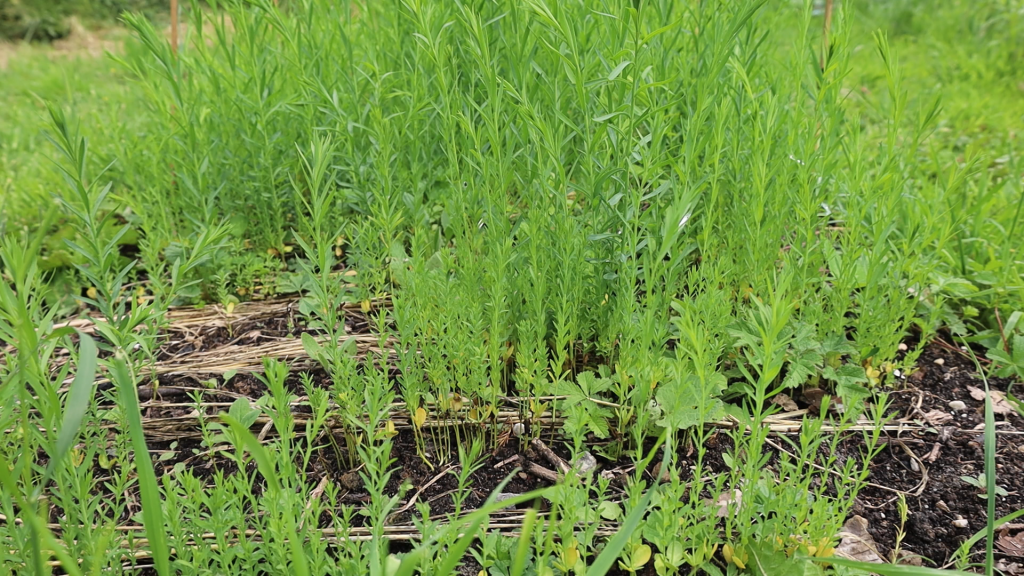
At the beginning of may the flax (linaceae) was only a few centimeters high. With a few weeks of drought, and a lot of extremely warm days for the time of the year, a few of the seedlings burnt away. Though flax does not need a lot of water, the seedlings were still very vulnerable, so I decided to put a sprinkler on it, watering the young flax whenever the rest of De Schildertuin and the vegetable garden were watered. After a week we came back to the garden, and the flax had turned yellow, as a result of overwatering this time. The next week, it would rain a couple of days, so I took the sprinkler of, and put my trust in the weather, which turned out to be a good idea.
A week later, the flax had recovered. It doubled in height, and the new leafs were bright green. Some of the plants are still very small, hopefully they will grow taller too.
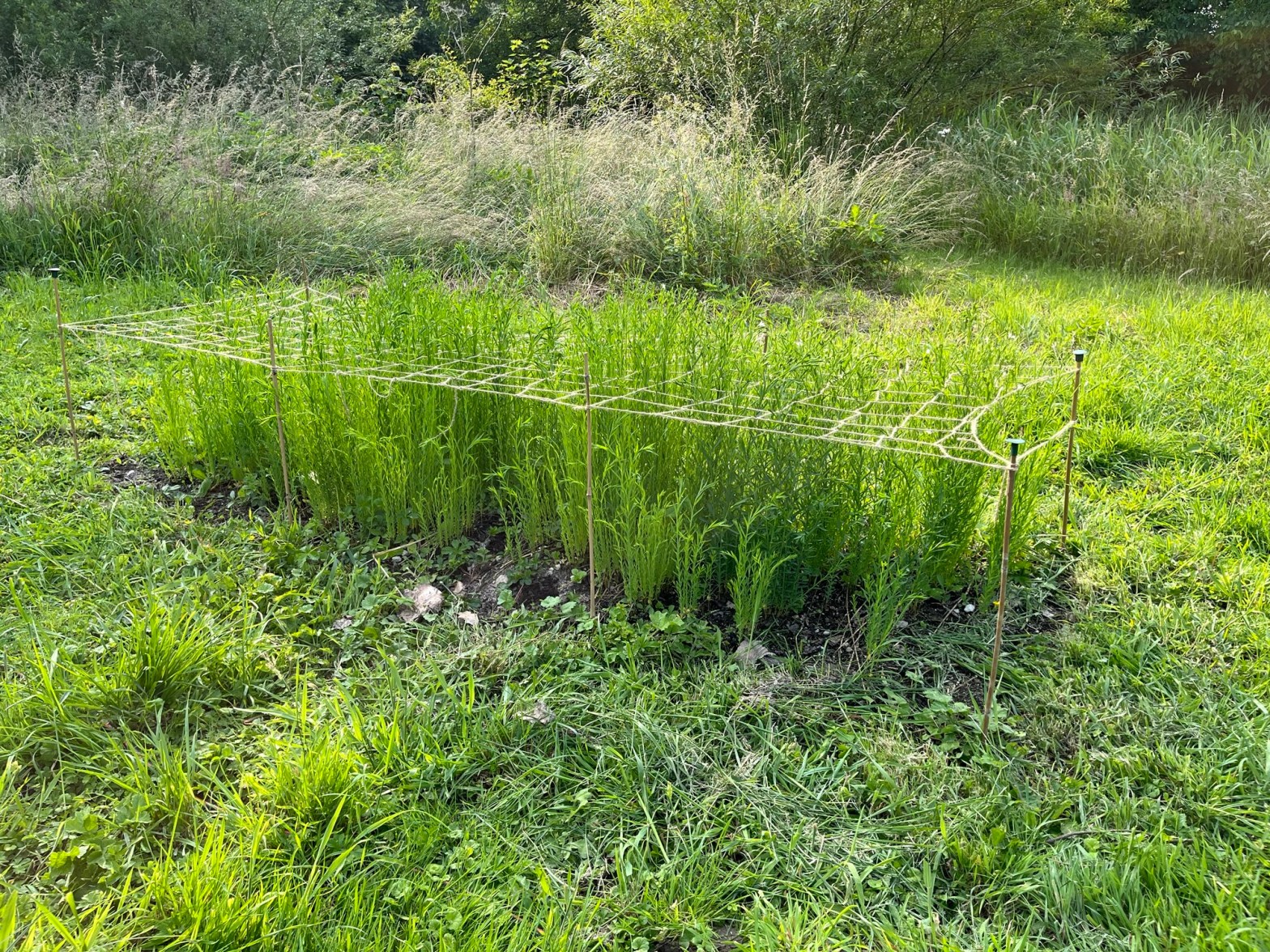
When the flax is taller, it is important it doesn’t get blown over by stronger winds, which are currently happening, since the beginning of june. When they fall down, they won’t grow straight up anymore, and they will be less suitable for linen fibers. In order to prevent this, I wove a net of rope above the plants, providing them with support to grow through.
The past week, the first week of june, I welcomed the first flowers in one of the field with the variety ‘Linaceae Astella’. They turned out to be white! As far as I know, it should still be fiber flax, despite it not having blue flowers, so I’m already very curious how the processing of the fibers will go.
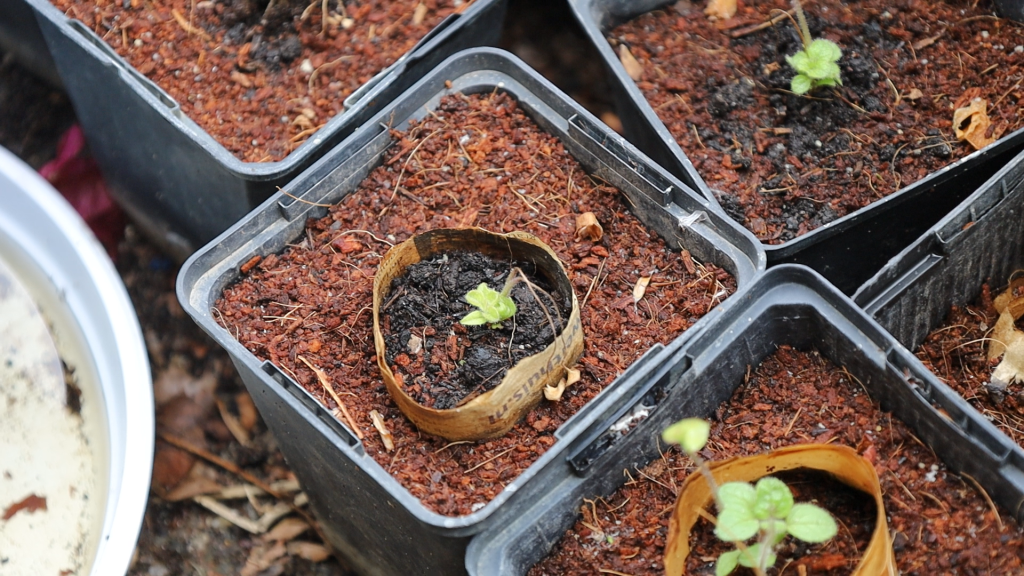
I have pre-sown sage (salvia patens), which is not going very well yet. Only 4 out of the 15 seeds survived. Fortunately they are finally starting to grow a bit bigger.
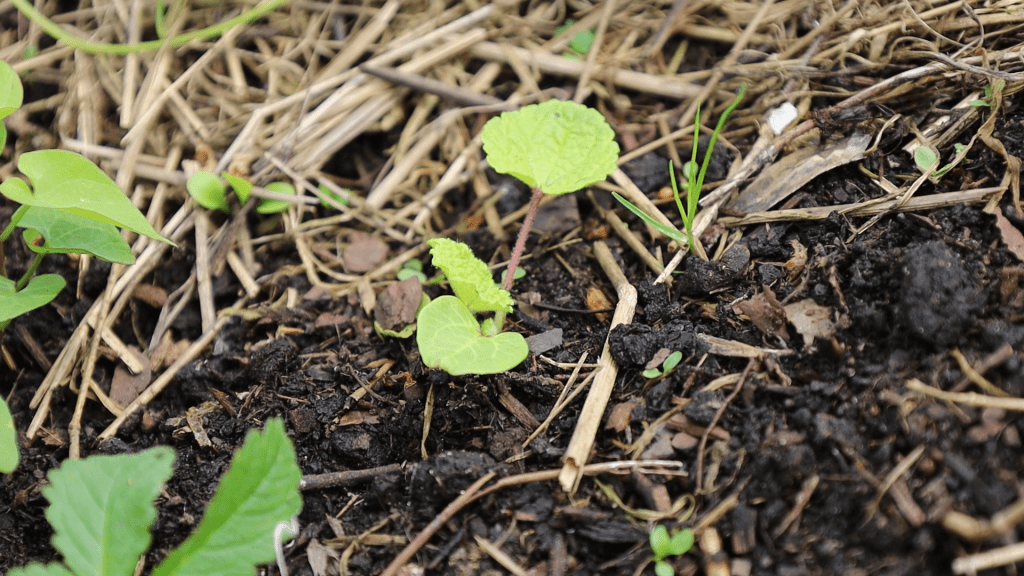
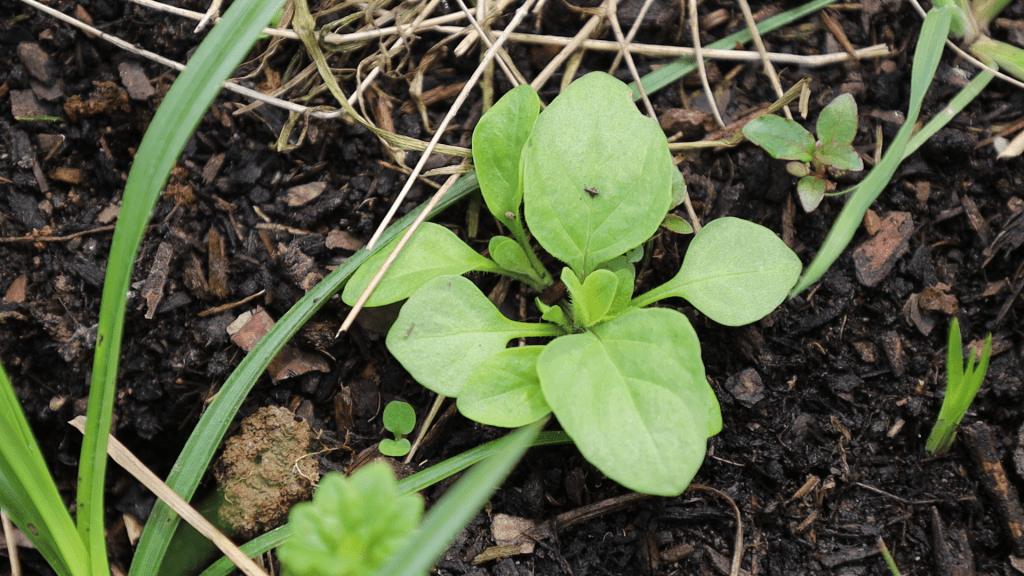
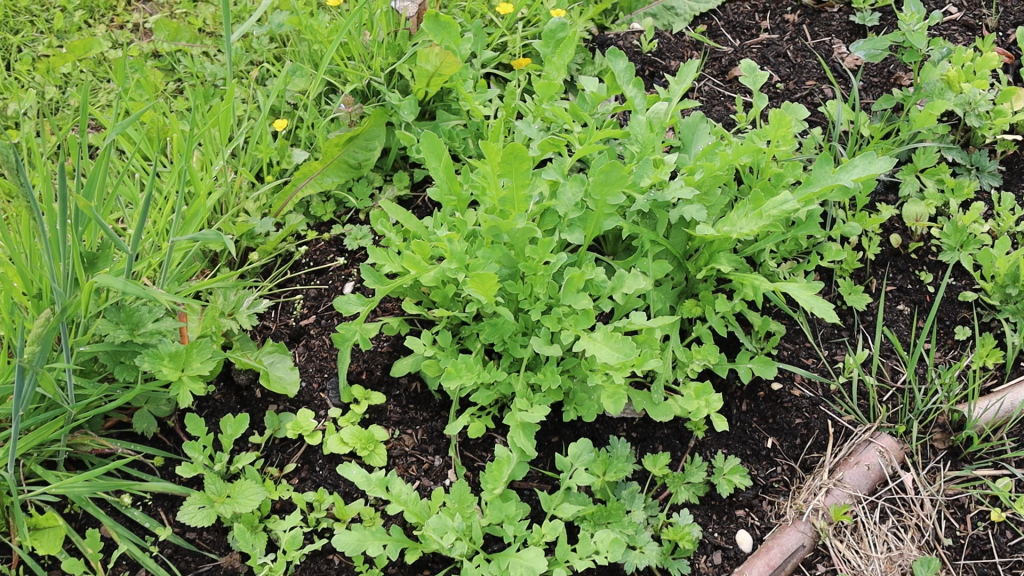
Both the hollyhocks (alcea nigra) and the woad (isatis tinctoria) are becoming recognizable plants. The dahlias (dahlia) have been eaten a bit by snails, but not too badly. They grow slowly but look healthy.
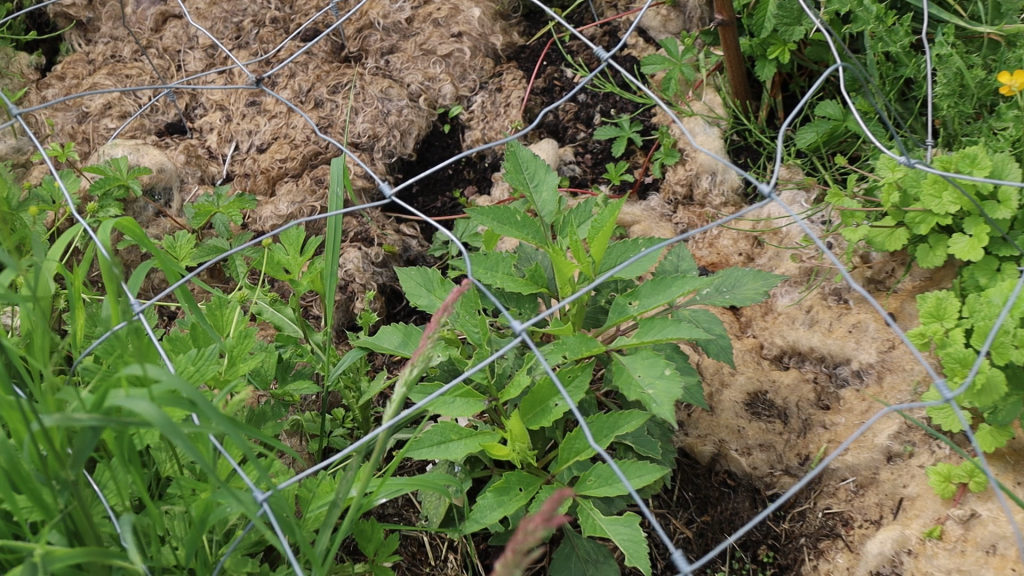
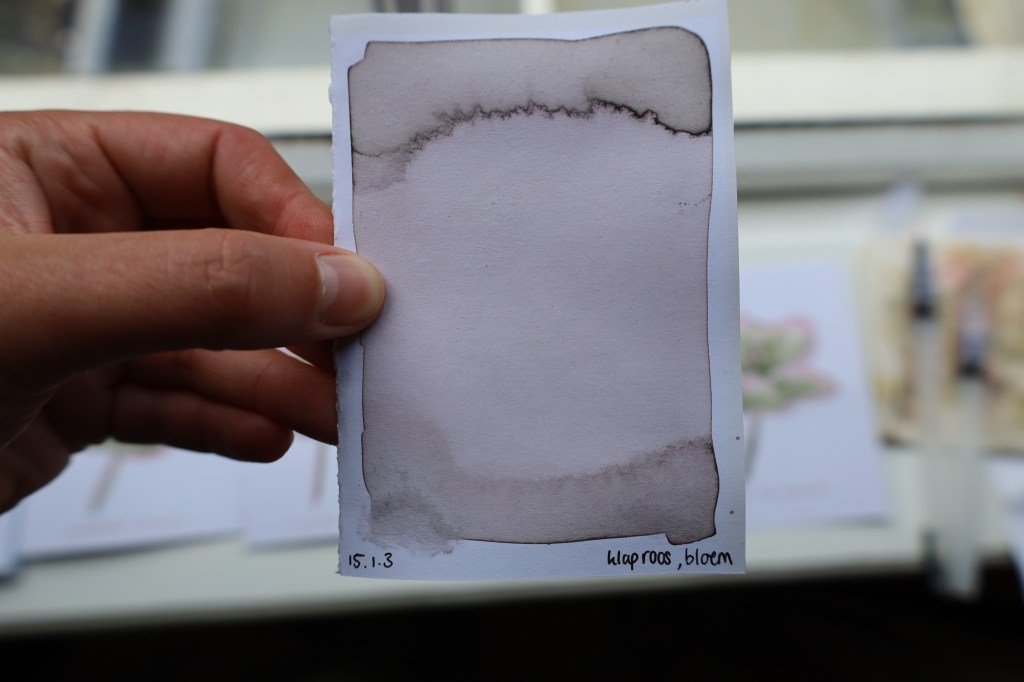
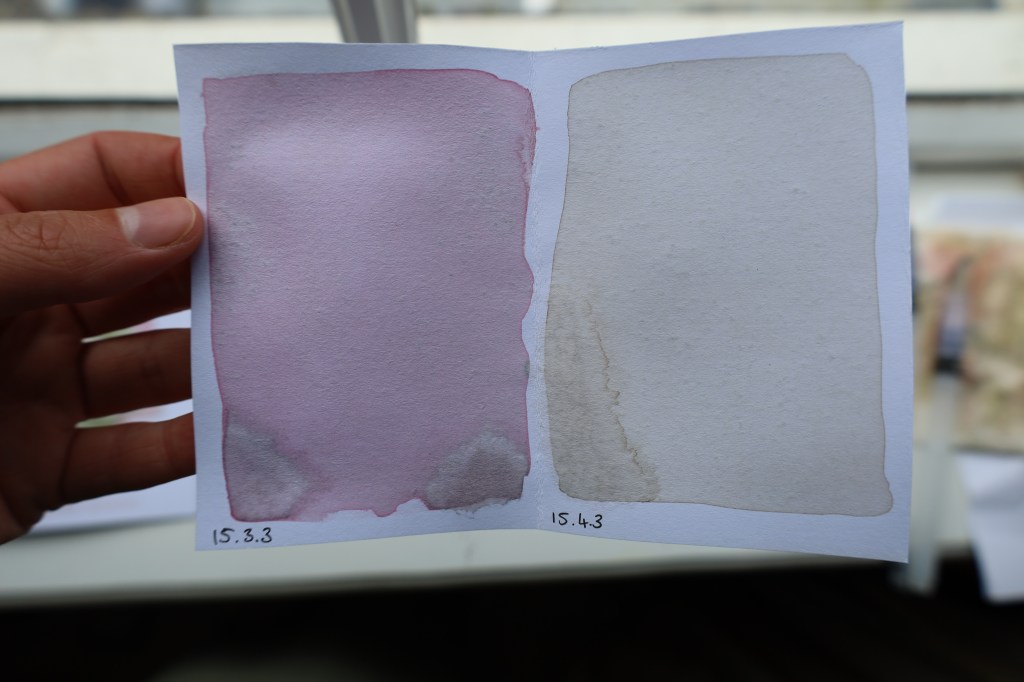
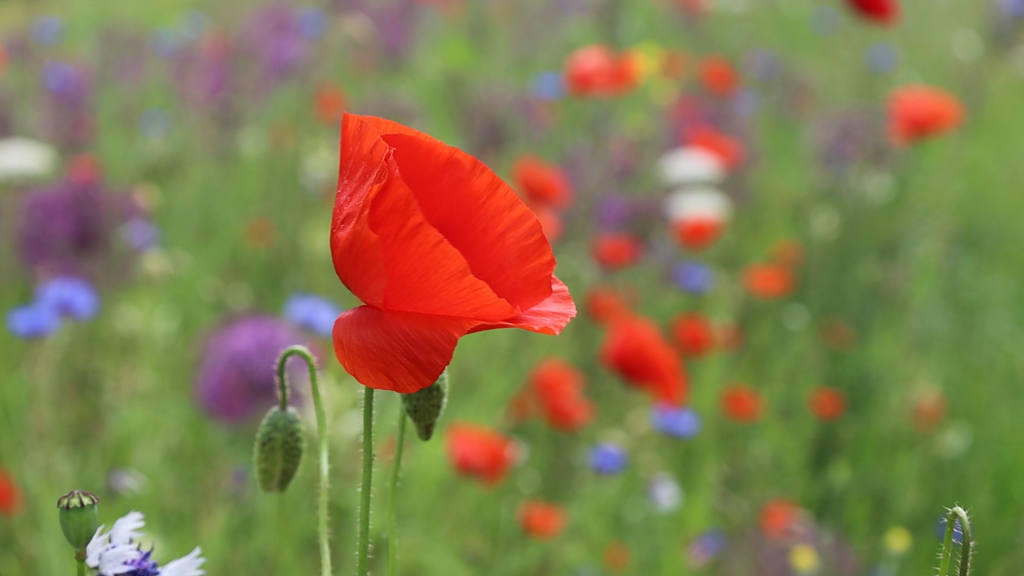
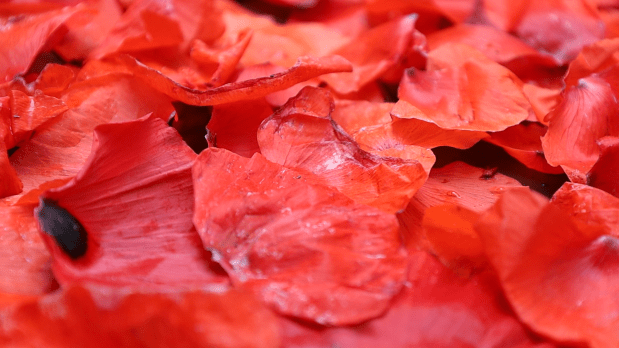
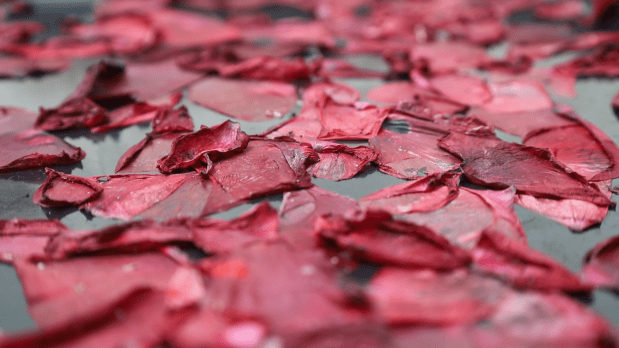
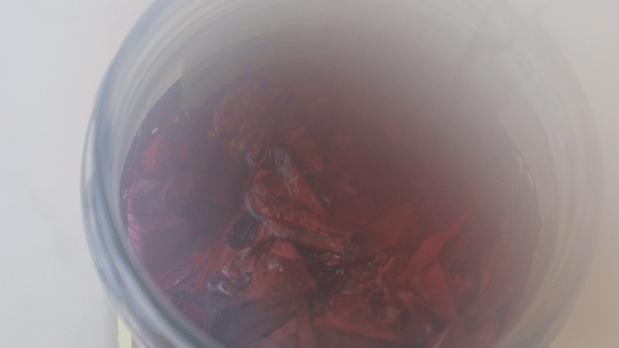
The poppies (papaver rhoeas) have gotten a lot bigger, so hopefully they will flower soon. From the poppy flowers I can extract a gorgeous red pigment. I already wildpicked some of the fallen petals to make pigment of, and these are the results!
 Maud Konings